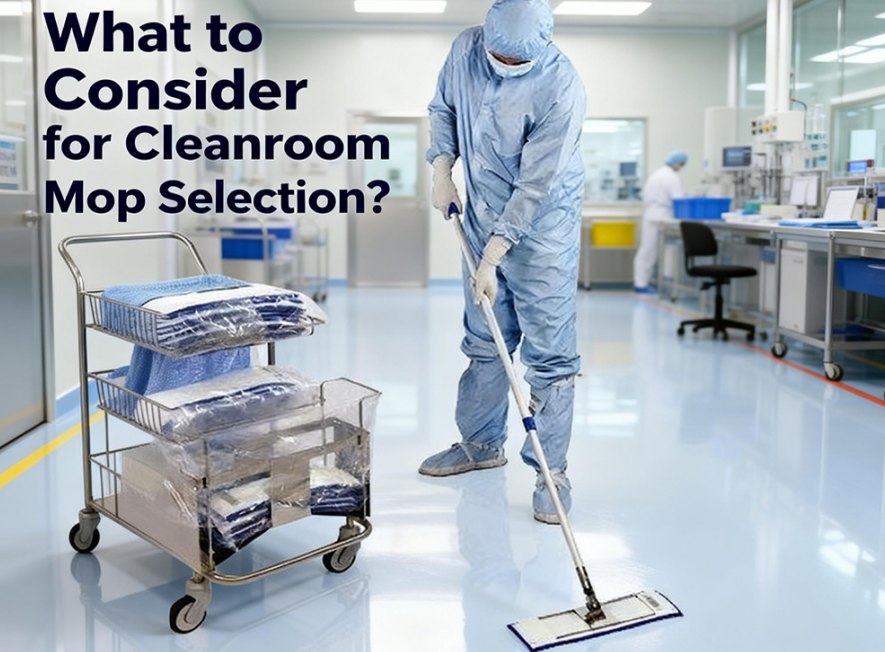
Core Cleanroom Mop Selection Criteria: Particle Shedding, Sterility, and Material Compatibility Why particle release from cleanroom mops jeopardizes ISO 14644-18 compliance When cheap cleanroom mops shed particles, they basically wreck any chance of...
VIEW MORE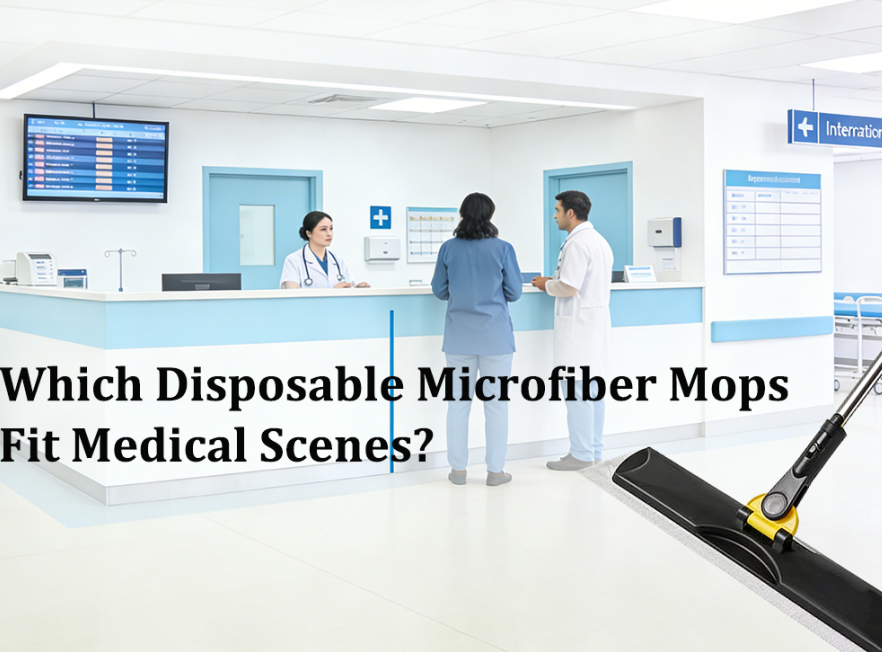
Why Healthcare Facilities Are Switching to Disposable Microfiber Mops Keeping things clean is absolutely critical in healthcare environments where patients are vulnerable to catching infections they didn't come with. The problem with traditiona...
VIEW MORE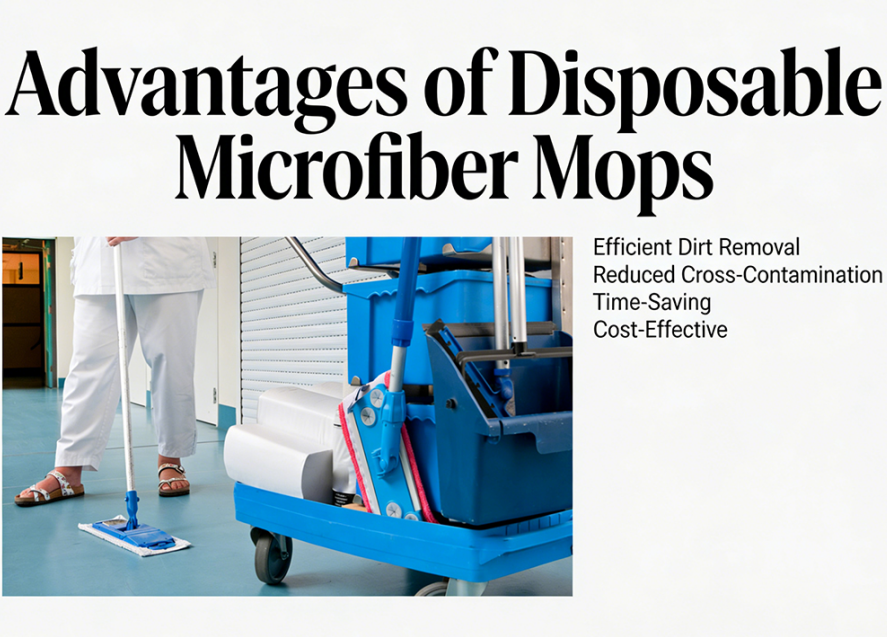
Eliminating Cross-Contamination with Single-Use HygieneHow disposable microfiber mops prevent pathogen transfer between zonesSingle use microfiber mops tackle one of the biggest problems in infection control by getting rid of the main issue altogethe...
VIEW MORE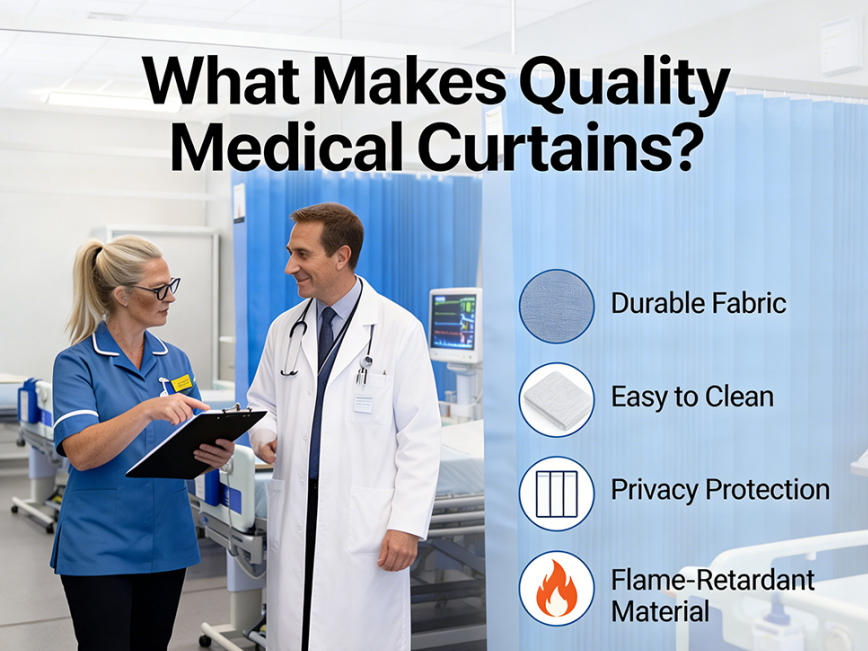
Fire-Retardant Compliance: Meeting NFPA 701 and Global Safety StandardsNFPA 701, BS 5867, and International Certification Requirements for Medical Curtain FabricMedical curtains must pass rigorous fire-retardant testing to meet global safety standard...
VIEW MORE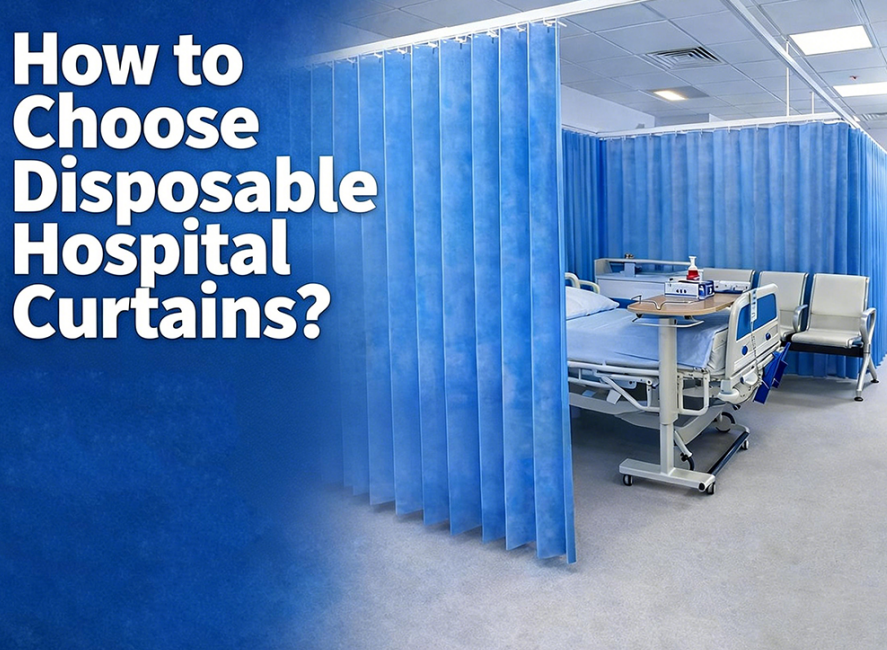
Why Disposable Hospital Curtains Are Critical for Infection Prevention Breaking the Chain: How Contaminated Curtains Contribute to Healthcare-Associated Infections (HAIs) Hospital curtains get touched constantly throughout daily patient care, making...
VIEW MORE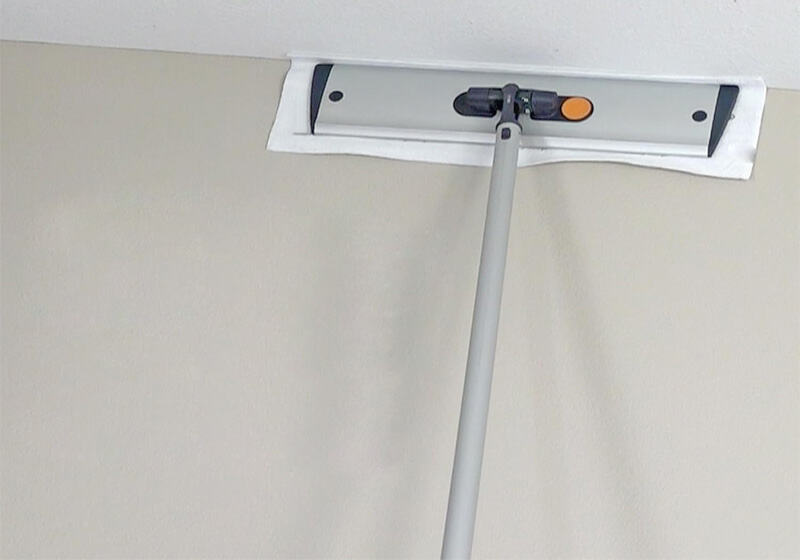
Elimination of Cross-Contamination with Single-Use Design Disposable microfiber mops eliminate pathogen transfer by design—each unit serves a single zone before disposal. This physical separation of cleaning tasks breaks infection transmissio...
VIEW MORE
Evidence-Based Medical Curtain Replacement Frequency CDC and SHEA Recommendations on Routine Replacement Intervals According to guidelines from the CDC along with recommendations from the Society for Healthcare Epidemiology of America (SHEA), priva...
VIEW MORE
Privacy Performance of Disposable Hospital Curtains Opacity, Fabric Density, and Visual Barrier Efficacy Hospital curtains that get tossed after one use are usually made from non woven stuff like polypropylene or polyester mixes because they need t...
VIEW MORE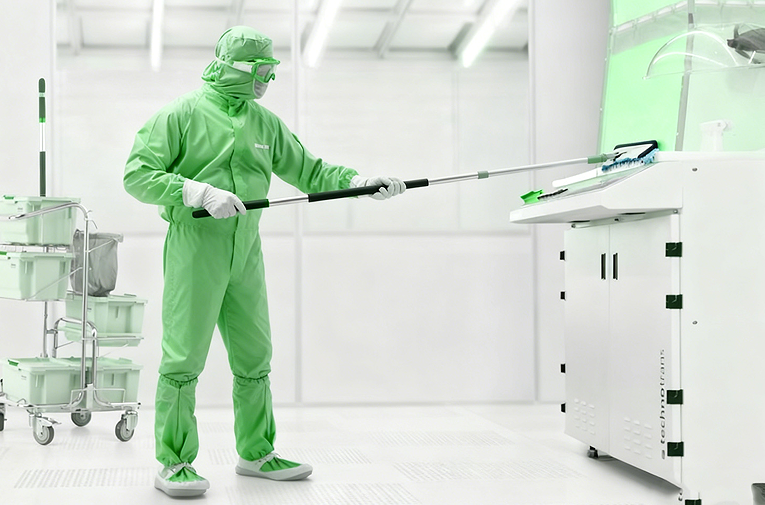
Match Cleanroom Mops to ISO Class Requirements The ISO 14644-1 standard basically sets limits on how many particles can float around in the air inside cleanrooms, which directly affects what kind of mops are allowed. Take ISO Class 5 spaces for exa...
VIEW MORE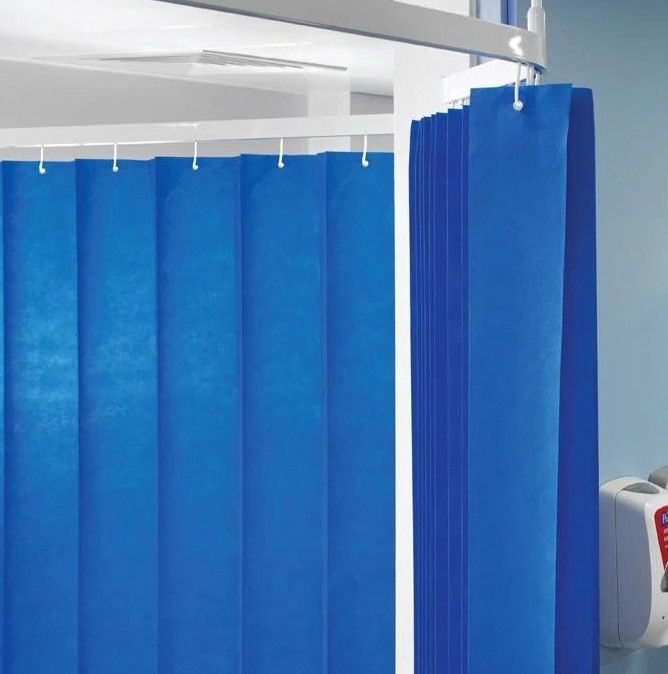
Material Integrity: The Foundation of Clinical Reliability in Disposable Hospital Curtains Polypropylene vs. SMS Nonwoven: Barrier Efficacy and ASTM F1670/F1671 Compliance Hospital curtains that get tossed after one use need to stop germs and bodil...
VIEW MORE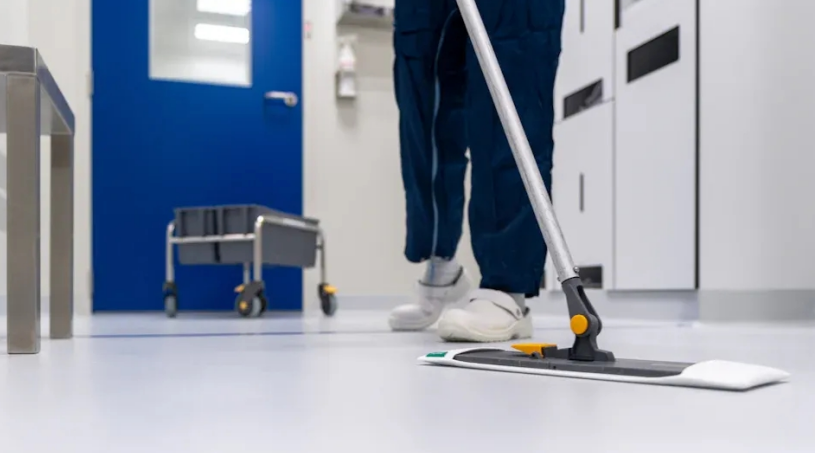
Cleanroom Mop Material Selection and Contamination Control Polyester vs. Microfiber: Shedding, Absorption, and Particle Retention What materials we pick makes all the difference for keeping contaminants at bay in those ISO certified cleanrooms. Pol...
VIEW MORE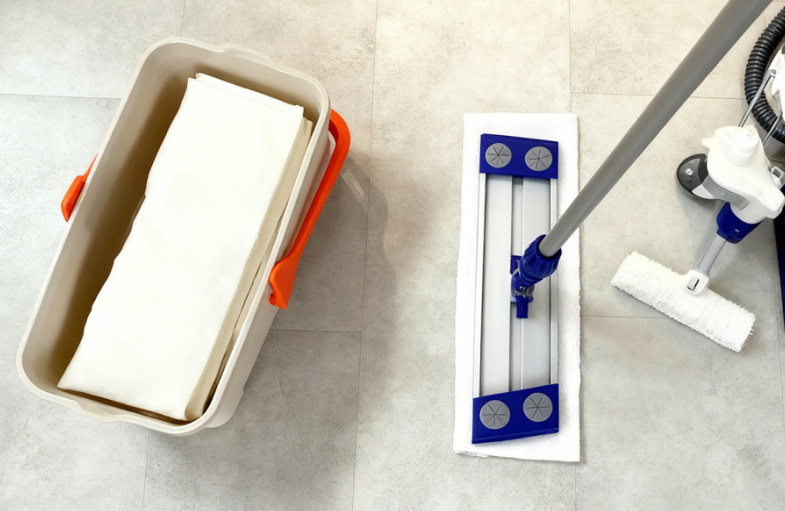
Space Efficiency of Medical Disposable Mops in Hospital Storage Flat-Pack Design and Volume Reduction vs. Reusable Mop Systems Disposable medical mops come in these clever flat pack, vacuum sealed designs that take up about 60% less space than thos...
VIEW MORE EN
EN